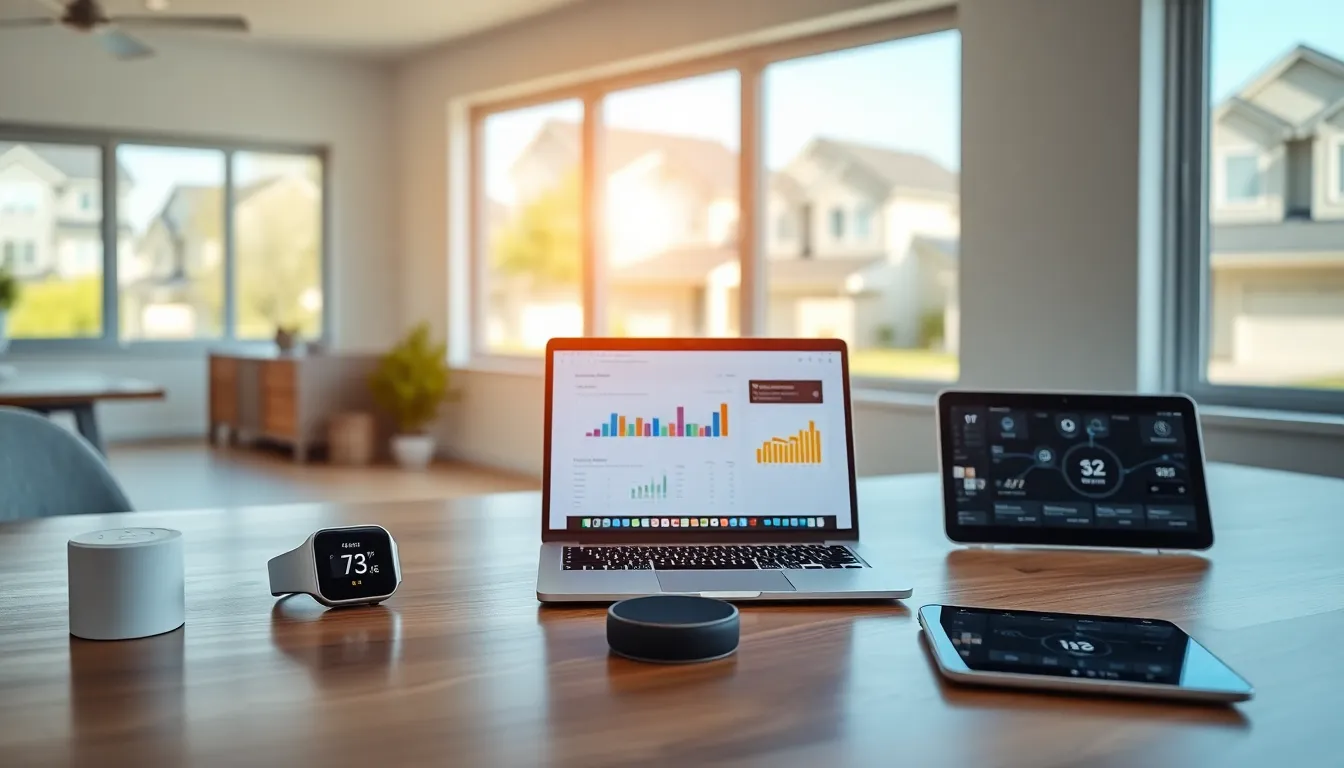
This internet of things guide breaks down how connected devices work, why they matter, and how people use them every day. The Internet of Things (IoT) connects billions of physical objects to the internet. These devices collect data, communicate with each other, and automate tasks that once required human input. From smart thermostats to industrial sensors, IoT technology shapes how people live and work in 2025. This guide explains the basics, explores real-world applications, and offers practical advice for anyone ready to adopt IoT devices.
Table of Contents
ToggleKey Takeaways
- The Internet of Things connects physical devices to the internet, enabling data sharing, automation, and smarter decision-making across homes and industries.
- IoT systems rely on four components—sensors, connectivity, data processing, and user interfaces—that work together to deliver value.
- Common IoT applications include smart home devices, wearables, connected vehicles, healthcare monitoring, and agricultural sensors.
- Security and privacy remain top concerns, so always change default passwords, enable two-factor authentication, and keep firmware updated.
- Start small with one or two devices, choose a compatible ecosystem (Alexa, Google Home, or Apple HomeKit), and expand gradually.
- This internet of things guide recommends weighing benefits like efficiency and convenience against challenges like compatibility and reliability before adopting IoT devices.
What Is the Internet of Things?
The Internet of Things refers to a network of physical devices that connect to the internet and share data. These devices include sensors, appliances, vehicles, and machines. Each IoT device contains embedded technology that allows it to send and receive information.
A simple example helps clarify the concept. A traditional thermostat requires manual adjustment. An IoT thermostat learns household patterns, detects when people leave, and adjusts temperature automatically. It connects to a smartphone app and responds to voice commands through smart speakers.
The internet of things guide principle is straightforward: give everyday objects the ability to communicate. This communication creates opportunities for automation, efficiency, and better decision-making.
IoT devices fall into two main categories. Consumer IoT includes products like fitness trackers, smart doorbells, and connected appliances. Industrial IoT covers manufacturing equipment, agricultural sensors, and fleet management systems. Both categories share the same foundation, internet connectivity and data exchange.
In 2025, an estimated 30 billion IoT devices operate worldwide. This number continues to grow as connectivity becomes cheaper and more reliable. The Internet of Things has moved from a tech industry buzzword to an everyday reality.
How IoT Technology Works
IoT systems rely on four core components: sensors, connectivity, data processing, and user interfaces. Understanding these parts makes the whole system clearer.
Sensors and Data Collection
Sensors gather information from the physical environment. A motion sensor detects movement. A temperature sensor measures heat levels. A humidity sensor tracks moisture in the air. These sensors convert physical conditions into digital data.
Connectivity Options
IoT devices transmit data through various connection types. Wi-Fi works well for home devices with reliable power sources. Bluetooth connects nearby devices with low energy requirements. Cellular networks support devices that need mobility, like GPS trackers. Low-power wide-area networks (LPWAN) serve devices in remote locations that send small amounts of data infrequently.
Data Processing
Once collected, data travels to a processing location. Some IoT devices process information locally, this approach is called edge computing. Others send data to cloud servers for analysis. The processing step transforms raw data into useful insights.
User Interface
People interact with IoT systems through apps, dashboards, and voice assistants. A smartphone app might display home energy usage. A factory dashboard could show equipment performance metrics. Voice commands allow hands-free control of connected devices.
This internet of things guide emphasizes one key point: these four components work together as a system. Remove any piece, and the IoT device loses its value.
Common IoT Applications in Daily Life
IoT technology appears in places people might not expect. Here are the most common applications in 2025.
Smart Home Devices
Smart speakers, lighting systems, and security cameras represent the most visible IoT applications. A smart lock lets homeowners grant access remotely. Smart plugs turn ordinary appliances into connected devices. These products save time and add convenience.
Wearable Technology
Fitness trackers and smartwatches monitor heart rate, sleep patterns, and physical activity. Medical wearables track blood glucose levels and detect irregular heartbeats. Athletes use IoT wearables to optimize training and prevent injuries.
Connected Vehicles
Modern cars contain dozens of IoT sensors. These systems monitor tire pressure, track fuel efficiency, and provide real-time navigation. Electric vehicles use IoT to communicate with charging stations and manage battery health.
Healthcare Monitoring
Remote patient monitoring devices allow doctors to track vital signs without office visits. Smart pill bottles remind patients to take medication. Hospital equipment uses IoT to alert staff about maintenance needs.
Agriculture and Farming
Farmers use IoT sensors to monitor soil moisture, track livestock location, and automate irrigation systems. These applications reduce water waste and improve crop yields.
This internet of things guide shows how IoT extends far beyond smart speakers. The technology touches nearly every industry and aspect of daily life.
Benefits and Challenges of IoT Adoption
IoT technology offers clear advantages, but it also presents real concerns. Both sides deserve honest examination.
Key Benefits
Efficiency Gains: IoT automates repetitive tasks. A smart irrigation system waters plants only when soil sensors detect dryness. This precision reduces waste and saves money.
Better Decision-Making: Data from IoT devices reveals patterns humans might miss. A factory manager can predict equipment failures before they happen. A homeowner can identify which appliances consume the most energy.
Convenience: Voice-controlled lights, automatic door locks, and self-adjusting thermostats simplify daily routines. Small conveniences add up to meaningful time savings.
Remote Monitoring: IoT allows people to check on homes, vehicles, and loved ones from anywhere. Pet cameras, elderly care sensors, and security systems provide peace of mind.
Main Challenges
Security Risks: Every connected device creates a potential entry point for hackers. Weak passwords and outdated firmware make IoT devices vulnerable. A compromised baby monitor or security camera creates serious privacy concerns.
Privacy Questions: IoT devices collect vast amounts of personal data. Smart TVs track viewing habits. Voice assistants record conversations. Users must trust manufacturers to handle this data responsibly.
Compatibility Issues: Devices from different manufacturers don’t always work together smoothly. A smart home might require three different apps to control various products.
Reliability Concerns: IoT devices depend on internet connectivity. Network outages can disable smart locks, thermostats, and security systems.
This internet of things guide recommends weighing these factors carefully before purchasing IoT devices.
Getting Started With IoT Devices
Ready to add IoT devices to a home or business? These practical steps help ensure a seamless process.
Start Small
Begin with one or two devices rather than a complete smart home overhaul. A smart speaker or connected thermostat makes a good first purchase. This approach allows time to learn how IoT devices work before adding complexity.
Choose an Ecosystem
Major tech companies offer IoT ecosystems: Amazon Alexa, Google Home, and Apple HomeKit. Devices within the same ecosystem typically work together better. Pick one platform and prioritize compatible products.
Prioritize Security
Change default passwords immediately after setup. Enable two-factor authentication when available. Keep device firmware updated. Consider placing IoT devices on a separate Wi-Fi network from computers and phones.
Check Reviews and Research
Not all IoT products meet the same quality standards. Read user reviews and check whether manufacturers provide regular security updates. Products from established companies generally offer better long-term support.
Plan for Connectivity
Some IoT devices require strong Wi-Fi signals throughout a home. Mesh network systems can eliminate dead zones. Check device specifications for connectivity requirements before purchasing.
This internet of things guide suggests treating IoT adoption as a gradual process. Rushing to connect everything at once often leads to frustration.