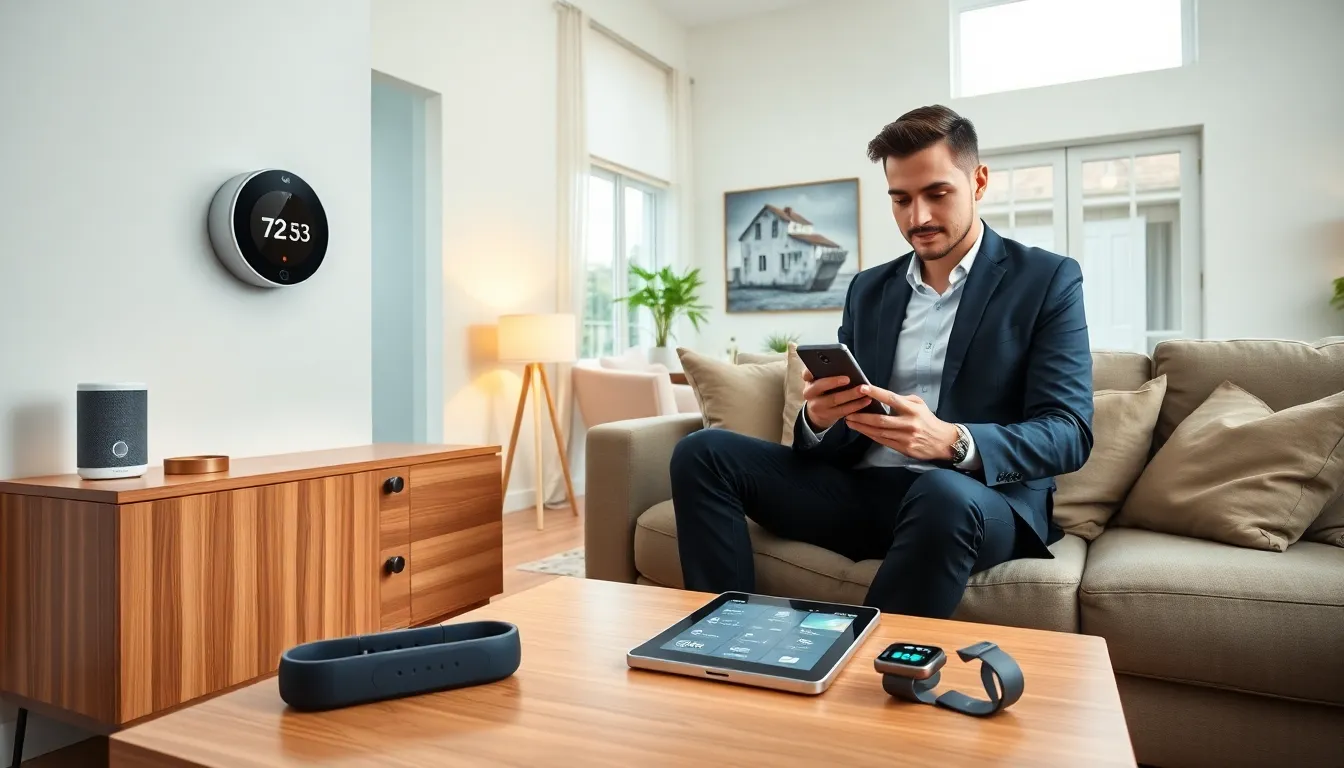
Internet of things examples are everywhere, from the thermostat that learns your schedule to the fitness tracker on your wrist. The IoT connects physical devices to the internet, allowing them to collect data, communicate, and automate tasks. By 2025, over 75 billion connected devices are expected to be in use worldwide. This growth affects homes, hospitals, factories, and entire cities. Understanding real-world internet of things examples helps people see how this technology shapes daily routines and industries. This article explores the most common and impactful IoT applications across different sectors.
Table of Contents
ToggleKey Takeaways
- Internet of things examples span smart homes, wearables, healthcare, industrial applications, and smart cities—impacting nearly every aspect of modern life.
- Smart home devices like thermostats and security systems can save homeowners 10-15% on energy bills while improving convenience and safety.
- Wearable technology, including fitness trackers and medical devices, helps users monitor health metrics and can even detect serious conditions like irregular heart rhythms.
- Industrial IoT applications reduce unplanned equipment downtime by up to 50% through predictive maintenance and real-time supply chain tracking.
- Healthcare IoT enables remote patient monitoring, reducing hospital readmissions and helping patients manage chronic conditions more effectively.
- Smart city infrastructure uses IoT sensors to cut commute times by 20-25%, optimize waste collection, and improve public safety.
Smart Home Devices
Smart home devices represent some of the most familiar internet of things examples for everyday consumers. These products connect to Wi-Fi networks and respond to voice commands or smartphone apps.
Thermostats and Climate Control
Smart thermostats like the Nest Learning Thermostat and Ecobee adjust heating and cooling based on user behavior. They track when residents are home, learn preferred temperatures, and optimize energy use. Homeowners report saving 10-15% on heating and cooling bills after installation.
Voice Assistants and Smart Speakers
Amazon Echo, Google Nest, and Apple HomePod devices serve as central hubs for smart home control. Users can play music, set timers, control lights, and check the weather with simple voice commands. These assistants also integrate with other IoT devices throughout the home.
Security Systems
Smart doorbells like Ring and Nest Hello provide video feeds and two-way audio. Motion sensors detect activity and send alerts to smartphones. Smart locks allow homeowners to grant temporary access codes to guests or service workers. These internet of things examples give people peace of mind whether they’re home or traveling.
Lighting and Appliances
Philips Hue bulbs and similar products let users control brightness, color, and schedules from their phones. Smart plugs turn ordinary appliances into connected devices. Refrigerators with screens can display calendars, play music, and even order groceries when supplies run low.
Wearable Technology
Wearable technology has become one of the fastest-growing categories of internet of things examples. These devices sit on the body and track health metrics, location, and activity levels.
Fitness Trackers
Devices like Fitbit and Garmin bands monitor steps, heart rate, sleep patterns, and calories burned. They sync data to smartphone apps where users can view trends and set goals. Many employers now offer wellness programs that incorporate fitness trackers to encourage healthy habits.
Smartwatches
The Apple Watch and Samsung Galaxy Watch go beyond fitness tracking. They display notifications, allow phone calls, and run apps. Recent models include ECG sensors that can detect irregular heart rhythms. Some smartwatches have even alerted users to heart conditions they didn’t know they had.
Medical Wearables
Continuous glucose monitors help diabetics track blood sugar levels in real time. Smart hearing aids adjust automatically to different environments. Wearable patches can monitor vital signs and transmit data directly to healthcare providers. These internet of things examples are changing how people manage chronic conditions.
Industrial IoT Applications
Industrial IoT (IIoT) uses connected sensors and devices to improve manufacturing, logistics, and energy production. These internet of things examples often operate at massive scale and generate significant cost savings.
Predictive Maintenance
Sensors on factory equipment monitor vibration, temperature, and performance metrics. When readings fall outside normal ranges, the system alerts maintenance teams before a breakdown occurs. This approach reduces unplanned downtime by up to 50% and extends equipment lifespan.
Supply Chain Tracking
GPS trackers and RFID tags follow products from factory to store shelf. Companies know exactly where shipments are at any moment. Temperature sensors ensure cold chain integrity for food and pharmaceuticals. This visibility helps businesses reduce losses and improve delivery times.
Energy Management
Smart grids use IoT sensors to balance electricity supply and demand. Utility companies can detect outages instantly and reroute power. Industrial facilities use connected meters to identify energy waste and optimize consumption. These internet of things examples help organizations meet sustainability goals while cutting costs.
Healthcare and Medical IoT
Healthcare represents one of the most impactful areas for internet of things examples. Connected medical devices improve patient outcomes and reduce hospital readmissions.
Remote Patient Monitoring
Patients with chronic conditions can use connected devices to transmit vital signs to their doctors. Blood pressure cuffs, pulse oximeters, and weight scales send data automatically. Physicians review trends and intervene early if problems arise. This approach keeps patients healthier while reducing office visits.
Smart Hospital Equipment
Hospitals use IoT to track equipment location and monitor inventory. Smart beds detect when patients try to get up and alert nurses. Connected infusion pumps ensure accurate medication dosing and log every administration. These systems reduce errors and free staff to focus on patient care.
Medication Adherence
Smart pill bottles track when patients open their medication and send reminders if doses are missed. Some devices even alert family members or caregivers. Studies show these internet of things examples improve adherence rates significantly, especially among elderly patients managing multiple prescriptions.
Smart City Infrastructure
Cities around the world deploy internet of things examples to manage traffic, reduce pollution, and improve public services.
Traffic Management
Connected traffic lights adjust timing based on real-time vehicle flow. Sensors detect congestion and suggest alternate routes to navigation apps. Some cities report 20-25% reductions in commute times after implementing smart traffic systems.
Waste Management
Smart trash bins use sensors to report fill levels. Collection trucks follow optimized routes that skip empty bins and prioritize full ones. This system reduces fuel costs and keeps streets cleaner.
Environmental Monitoring
Air quality sensors throughout cities track pollution levels in real time. Water quality monitors detect contaminants quickly. Noise sensors identify problem areas. City planners use this data to make informed decisions about zoning, traffic patterns, and green spaces. These internet of things examples help urban areas become more livable.
Public Safety
Smart streetlights brighten when pedestrians approach and dim when streets are empty. Gunshot detection systems alert police within seconds. Connected emergency response systems coordinate fire, police, and medical services more efficiently.