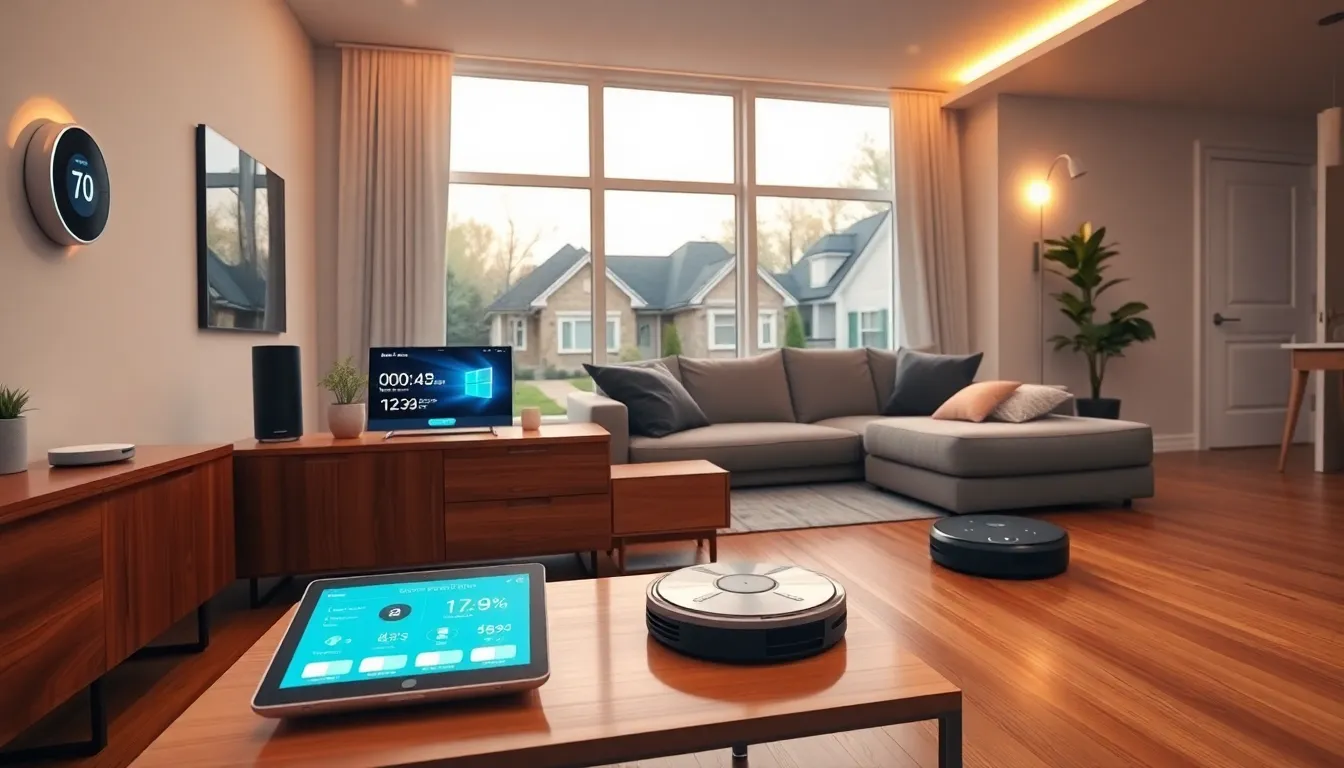
The best internet of things devices have changed how people live and work. In 2025, IoT technology connects everything from thermostats to factory equipment. These smart devices collect data, automate tasks, and improve efficiency across homes and industries.
This guide covers the top IoT devices and solutions available today. It explores smart home gadgets, business applications, and the features that matter most when choosing IoT products. Whether someone wants to upgrade their living space or streamline operations, understanding the best internet of things options makes all the difference.
Table of Contents
ToggleKey Takeaways
- The best internet of things devices in 2025 include smart thermostats, security cameras, and voice-controlled speakers that automate daily tasks and improve energy efficiency.
- Industrial IoT solutions reduce manufacturing downtime by up to 50% through predictive maintenance and real-time equipment monitoring.
- Smart farming IoT technology can increase crop yields by 20-30% using automated irrigation and environmental sensors.
- When choosing IoT products, prioritize security features like end-to-end encryption, two-factor authentication, and regular firmware updates.
- Look for devices that support the Matter protocol to ensure seamless interoperability across different smart home brands.
- The best internet of things systems combine connectivity, data collection, and automation to solve real problems in homes and businesses.
What Is the Internet of Things
The Internet of Things refers to physical devices that connect to the internet and share data. These devices include sensors, cameras, appliances, and industrial equipment. They communicate with each other and with central systems to perform automated actions.
A simple example: a smart thermostat learns a household’s schedule and adjusts temperature settings automatically. It sends usage data to a phone app, letting the owner monitor energy consumption from anywhere. That’s IoT in action.
The best internet of things systems share three core elements:
- Connectivity: Devices use Wi-Fi, Bluetooth, Zigbee, or cellular networks to stay online
- Data collection: Sensors gather information about their environment
- Automation: Software processes data and triggers actions without human input
By 2025, over 75 billion IoT devices are active worldwide. They appear in hospitals, farms, offices, and living rooms. The technology has moved far beyond novelty gadgets. Today’s IoT solutions solve real problems and deliver measurable results.
Top IoT Devices for Smart Homes
Smart home devices represent the most visible category of IoT products. These gadgets make daily life more convenient, secure, and energy-efficient.
Smart Speakers and Displays
Amazon Echo and Google Nest Hub lead this category. They serve as central hubs for controlling other IoT devices. Users give voice commands to adjust lights, play music, or check security cameras. The best internet of things speakers now include improved privacy controls and faster response times.
Smart Thermostats
The Ecobee Premium and Google Nest Learning Thermostat stand out in 2025. Both devices learn household patterns and optimize heating and cooling schedules. Users typically save 10-15% on energy bills after installation. These thermostats also integrate with other smart home systems for whole-house automation.
Security Cameras and Doorbells
Ring, Arlo, and Eufy dominate the security market. Modern IoT cameras offer 4K resolution, local storage options, and AI-powered detection. They distinguish between people, animals, and vehicles. Smart doorbells let homeowners see and speak with visitors remotely.
Smart Lighting
Philips Hue and LIFX produce the best internet of things lighting systems. These bulbs adjust brightness and color temperature throughout the day. Some models sync with entertainment systems or simulate sunrise for gentle wake-ups.
Robot Vacuums
iRobot Roomba and Roborock models clean floors automatically. They map homes, avoid obstacles, and return to charging stations when batteries run low. The latest versions empty their own dustbins and mop hard floors.
Best IoT Solutions for Business and Industry
Industrial IoT (IIoT) applications deliver even greater value than consumer devices. Businesses use connected sensors and systems to cut costs and improve operations.
Manufacturing and Predictive Maintenance
Factories install IoT sensors on production equipment. These sensors monitor vibration, temperature, and performance metrics in real time. When a machine shows signs of wear, the system alerts maintenance teams before breakdowns occur. This approach reduces downtime by up to 50% according to industry reports.
Supply Chain Tracking
The best internet of things solutions for logistics include GPS trackers and environmental sensors. Companies monitor shipments from warehouse to delivery. They track location, temperature, humidity, and shock events. This visibility helps prevent spoilage and theft while improving delivery accuracy.
Agriculture
Smart farming uses IoT to monitor soil moisture, weather conditions, and crop health. Automated irrigation systems water fields only when needed. Drones equipped with sensors identify pest problems early. Farmers report yield increases of 20-30% after implementing IoT technology.
Healthcare
Medical IoT devices track patient vital signs continuously. Wearables monitor heart rate, blood oxygen, and activity levels. Hospital equipment sends alerts when patients need attention. These systems improve outcomes and reduce the burden on healthcare staff.
Retail
Stores use IoT for inventory management, customer analytics, and checkout automation. Smart shelves detect when products run low. Heat maps show how shoppers move through spaces. The best internet of things retail solutions connect online and in-store experiences.
Key Features to Look for in IoT Products
Not all IoT devices deliver equal value. Smart buyers evaluate these features before purchasing.
Security and Privacy
IoT devices can become entry points for hackers. The best internet of things products include end-to-end encryption, regular firmware updates, and two-factor authentication. Check whether manufacturers have clear privacy policies about data collection and sharing.
Interoperability
Devices should work together regardless of brand. Look for products that support Matter, the new universal smart home standard. This protocol lets devices from different manufacturers communicate seamlessly. Avoid products locked into single ecosystems unless that ecosystem meets all needs.
Reliability and Support
IoT devices need consistent connectivity and long-term support. Research how long manufacturers provide software updates. Read reviews about connection stability and customer service quality. The best internet of things brands maintain their products for years after purchase.
Energy Efficiency
Battery-powered IoT devices should last months or years between charges. Wired devices should consume minimal standby power. Energy-efficient products reduce operating costs and environmental impact.
Ease of Setup
Complex installation discourages use. Top IoT products offer simple app-guided setup processes. They connect quickly and work reliably without technical expertise.